Blush Color Names
Blush Colors for Cool, Neutral, Warm and Olive Skin Tones
Blush colors can make a big difference in your look,
but how do you know which ones suit your skin tone best?
Here you will learn how to find the perfect blush colors for your complexion.
Blush Colors and Undertones
Blush is a makeup product that can add color and dimension to your cheeks. It can also enhance your natural beauty and complement your skin tone and undertone. However, not all blush colors are suitable for everyone. There are two main categories of blush colors: cool and warm. Cool blush colors have blue or purple undertones, such as pink, or berry. Warm blush colors have yellow or orange undertones, such as peach, or bronze. To choose the right blush color for your face, you need to know your skin color and undertone.
How to Pick the Perfect Blush Shade for Your Complexion
Skin color is the surface appearance of your skin, which can range from fair to deep. Skin undertone is the subtle hue that shows through your skin, which can be cool, warm, or neutral. Cool undertones have a pink, red, or blue hue. Warm undertones have a yellow, gold, or peach hue. Neutral undertones have a balance of both cool and warm hues.
To find out your skin undertone, you can look at the veins on your wrist. If they appear blue or purple, you have a cool undertone. If they appear green or olive, you have a warm undertone. If they appear blue-green or hard to tell, you have a neutral undertone. A complete guide and and on overview of all skin colors and undertones is provided in ArtyClick Skin Color Names.
Once you know your skin color and undertone, you can choose a blush color that matches them. As a general rule, cool blush colors look best on cool undertones and warm blush colors look best on warm undertones. Neutral undertones can wear both cool and warm blush colors depending on their preference.
You also need to consider your skin color when choosing a blush color. Fair skin tones should opt for light and sheer blush colors that won't overpower their complexion. Medium skin tones should opt for medium and pigmented blush colors that will show up on their skin. Deep or dark skin tones should opt for dark and rich blush colors that will add warmth and depth to their skin.
Here are the examples of blush colors that suit different skin colors and undertones:
Fair skin with cool undertone (porcelain): pink
Medium skin with cool undertone (buff, senna): deep pink or medium pink
Deep skin with cool undertone (cool almond): dark pink
Fair skin with neutral undertone (ivory): rose
Medium skin with neutral undertone (beige, tan): deep rose or medium rose
Deep skin with neutral undertone (almond, ebony): dark rose
Fair skin with warm undertone (sand): peachy rose
Medium skin with warm undertone (golden, caramel): deep peachy rose or medium peachy rose
Deep skin with warm undertone (warm almond): dark peachy rose
Fair skin with olive undertone (fair olive): peach
Medium skin with olive undertone (light olive, olive): deep peach or medium peach
Deep skin with olive undertone (medium olive, dark olive): dark peach
Blush is a versatile makeup product that can enhance your features and make you look more radiant and healthy. By choosing the right blush color for your skin color and undertone, you can create a flattering look that suits your style and personality.
Blush Color Names
Blush is a key element of any makeup look, but it can be hard to choose the right shade for your skin. That's why we have made a handy guide of 16 blush colors based on two criteria: skin undertone and skin lightness. This guide will help you identify your blush color type and discover the best colors for your makeup, clothes, and accessories.
Cool and Neutral Blush Color Names
Cool
Neutral
L1
L2
L3
L3
L4
L4
L5
Warm and Olive Blush Color Names
Cool
Neutral
Warm
Olive
L1
L2
L3
L3
L4
L4
L5
Blush Colors for Cool, Neutral, Warm and Olive Skin Tones
Blush Colors for Cool Skin
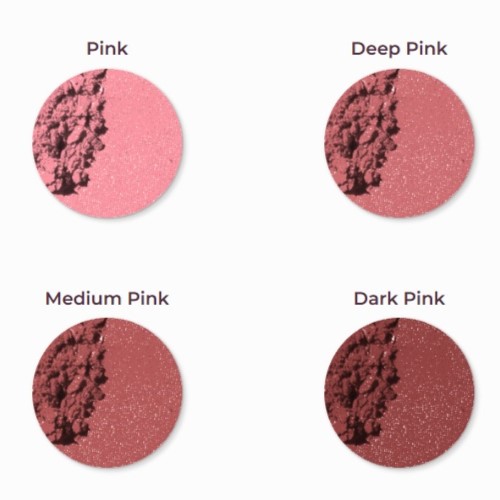
Cool skin tones have a blue or pink undertone, and they look good with blush colors that have a magenta (bright pink) hue. Magenta blushes are also known as cool reds or bright pinks, and they can add a pop of color to your cheeks without clashing with your skin tone.
Avoid blushes that have warm or orange tones, such as peach, as they can clash with your skin and look unnatural.
Blush Colors for Neutral Skin
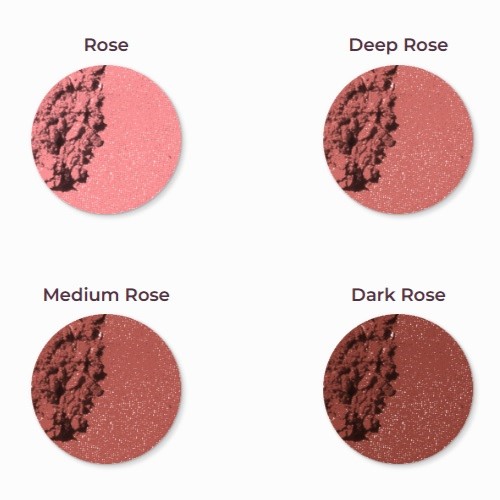
The blush colors for neutral skin are of a neutral red tone (rose). This means that they are not too warm or too cool, but somewhere in between. Neutral blushes can flatter most skin tones, especially those with a mix of green and blue undertones. These shades can add a natural flush to the cheeks without clashing with the skin tone or the rest of the makeup.
Blush Colors for Warm Skin
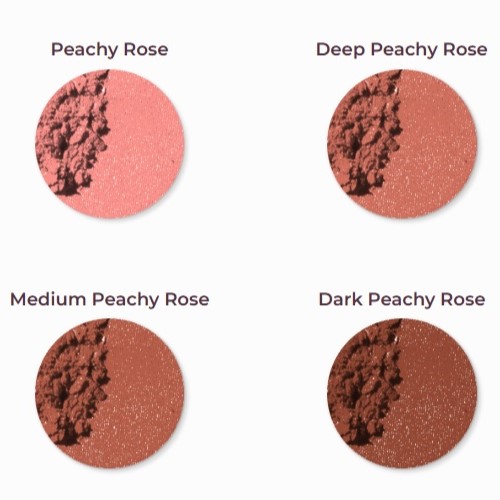
Warm skin undertones have a yellow or golden tint. If you have warm undertones, you will look better with blush colors that match your skin's warmth. These are usually shades of warm red (peachy rose). A warm red blush has more orange than magenta in it, and it can give your cheeks a natural flush that complements your skin tone.
Blush Colors for Olive Skin
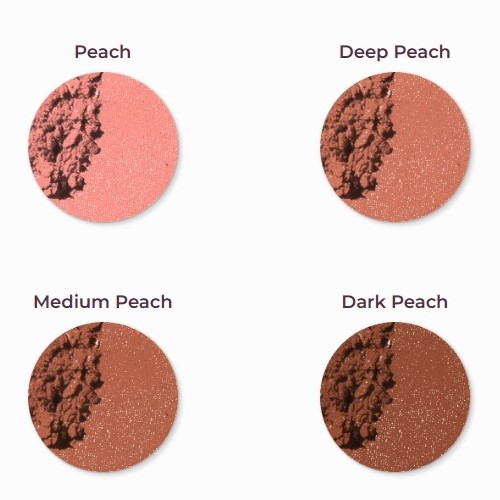
If you have olive skin, which is characterized by a greenish undertone and a tan or golden hue, you may choose orangy blush colors that complement your skin and make it glow. Olive skin can also benefit from deep shades of blush, such as bright and vibrant oranges and browns.
Avoid blushes that have cool or pink tones, as they can clash with your skin and look unnatural.